Home EV charging is convenient, but it needs more than a spare wall and a parking space. The charger becomes part of your electrical installation, so the existing supply, consumer unit, earthing, cabling and everyday household demand all need to be checked properly.
A qualified installer will not simply fit a charger and hope for the best. They assess whether your home electrics can support the new load, then design the installation so it works reliably, safely and neatly from day one.
Why your electrics need checking first
An EV charger is a dedicated electrical circuit, usually supplying a much higher load than ordinary sockets or lighting. That does not mean most homes cannot have one. It means the installation has to be designed around the condition and capacity of the property.
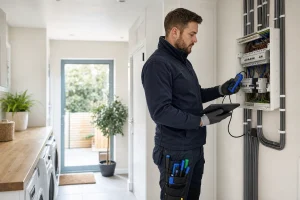
The first aim is safety. The installer needs to confirm that the charger can operate without overloading the supply, overheating cables, or creating issues with protection devices. They also need to make sure the installation complies with the relevant electrical standards and manufacturer requirements.
The second aim is reliability. A charger that trips repeatedly, charges more slowly than expected, or has to be isolated because the circuit was not planned correctly is frustrating. Good assessment avoids that. It considers the charger location, the route back to the consumer unit, how the property uses electricity at busy times, and whether any upgrades are needed before the charger is connected.
This is where experienced EV charger installation support is valuable. The question is not just whether a charger can physically be mounted. It is whether the whole electrical setup can support it cleanly and consistently.
What the installer looks for at the consumer unit
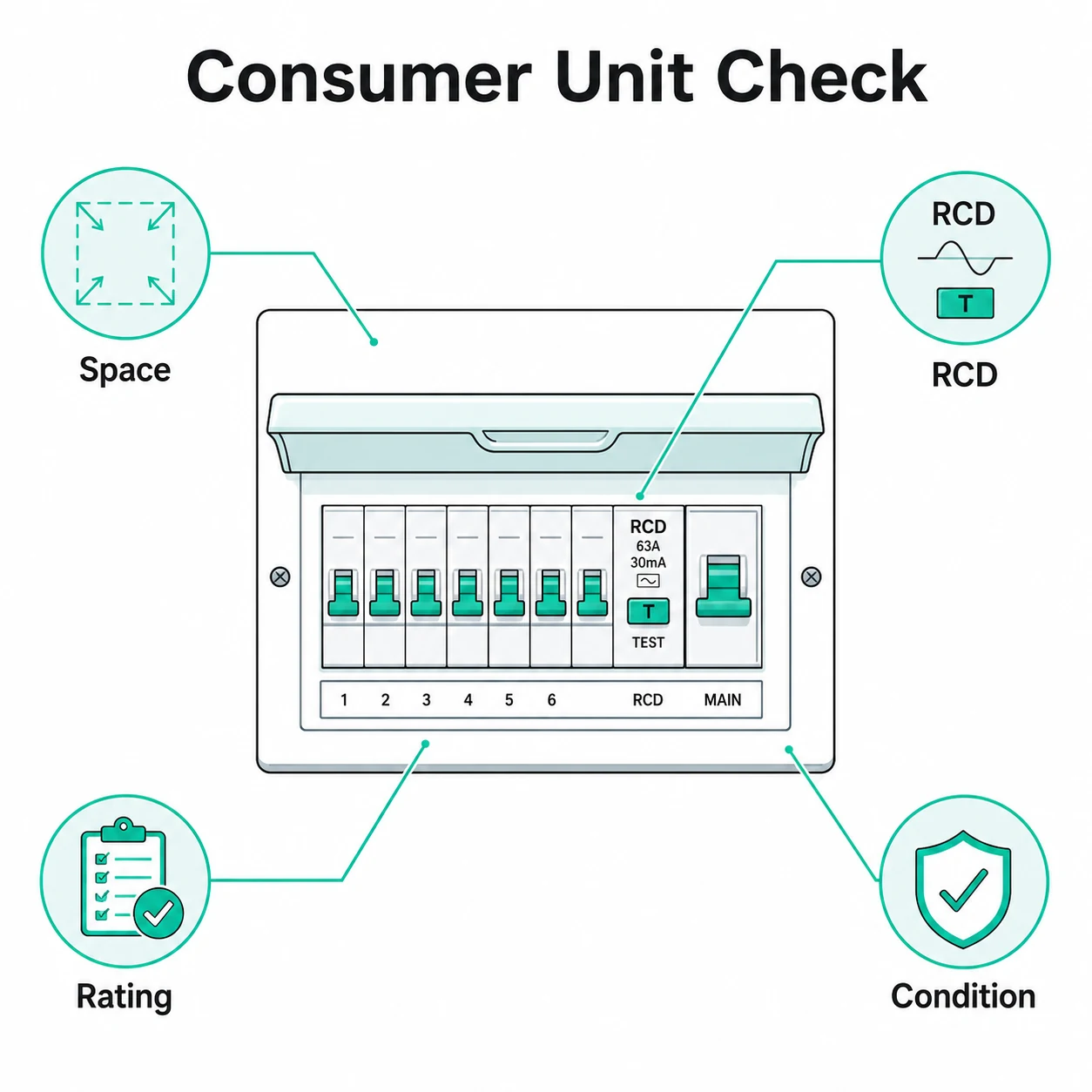
The consumer unit is one of the first things a qualified electrician will inspect. It is the point where the property circuits are controlled and protected, so it plays a central role in any EV charger installation.
The installer will check whether there is suitable spare capacity for a new dedicated circuit. They will also look at the type and condition of the existing unit, including the main switch, protective devices, labelling, cable entries and signs of heat, damage or ageing. If the unit is modern and has appropriate space, the charger circuit may be straightforward to add. If it is older, crowded or not suitable for the required protective device, extra work may be recommended.
That does not automatically mean a full replacement is needed. Sometimes a separate small unit can be installed for the charger circuit, depending on the property and the existing setup. In other cases, wider improvements may be the more sensible option, especially if the home already has outdated protection or other electrical concerns.
The installer will also consider RCD protection, surge protection where appropriate, isolation, and how the charger manufacturer expects the circuit to be protected. These details matter because EV charging equipment has specific requirements that differ from many ordinary household circuits.
If the inspection highlights wider issues, SLC Solutions can support related electrical work so the charger is not treated in isolation from the rest of the installation.
Supply capacity and household demand
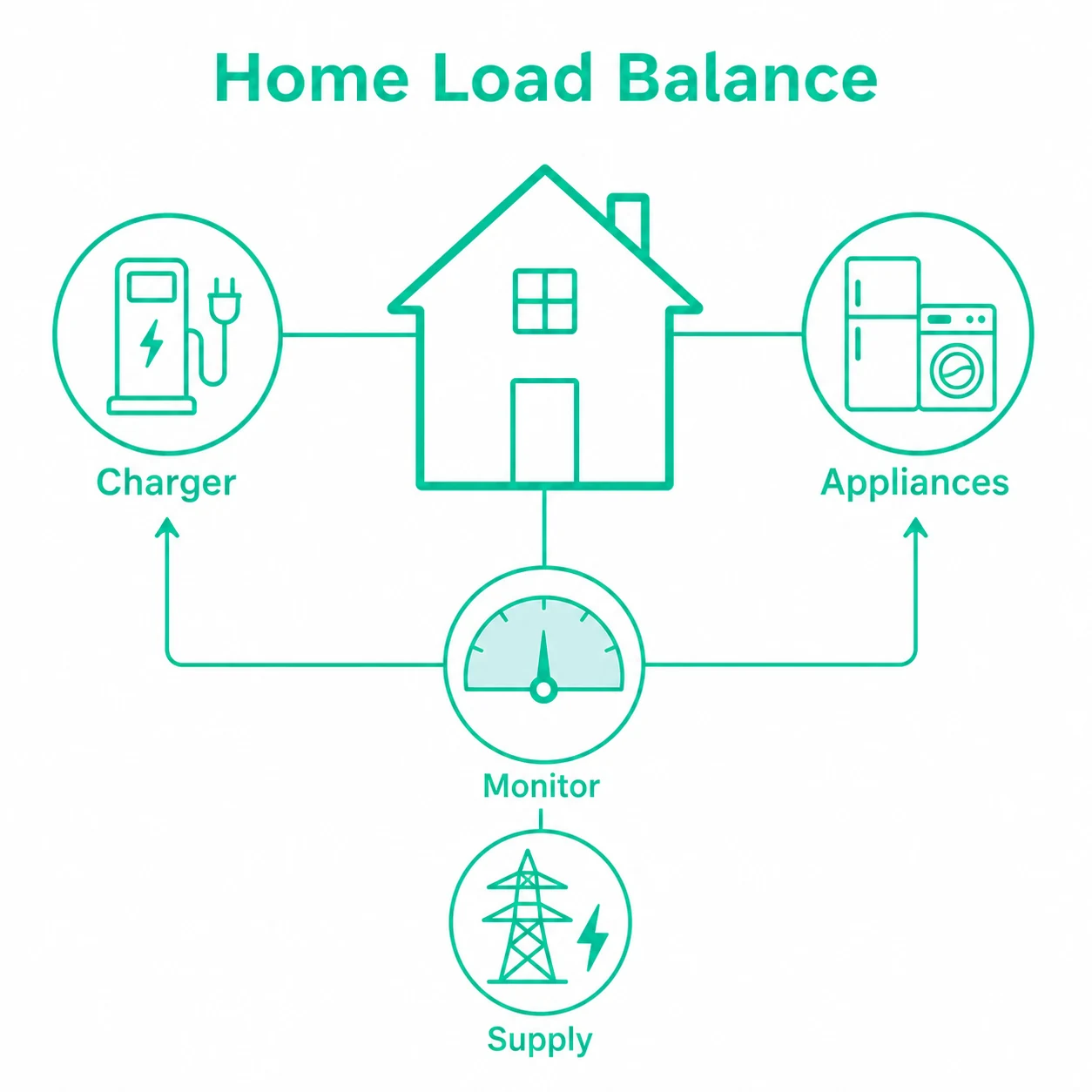
A home can only draw so much power at once. Before fitting an EV charger, the installer needs to understand the property supply and the loads already in use. This is often called a maximum demand assessment.
They may consider appliances such as electric showers, ovens, hobs, immersion heaters, heat pumps, air conditioning, hot tubs and other high demand equipment. The purpose is to see what could be running at the same time as the charger, especially during the evening when many households cook, heat water, use laundry appliances and plug in the car.
The main fuse rating and supply arrangement are also important. In some cases, the installer may need information from the electricity network operator or energy supplier. If the supply is suitable, the charger can be designed around it. If it needs checking, the installer can guide you through the right process.
Many modern chargers support load management. This allows the charger to reduce its draw when the rest of the home is using more electricity, then increase charging again when demand falls. For many households, this is a practical way to keep charging dependable without asking the electrical installation to do too much at once.
Load management is not a shortcut around poor wiring or unsuitable protection. It is a design feature that works best when the whole installation has been properly assessed. The result is a charger that fits the way the household actually uses electricity.
Cabling routes and charger location
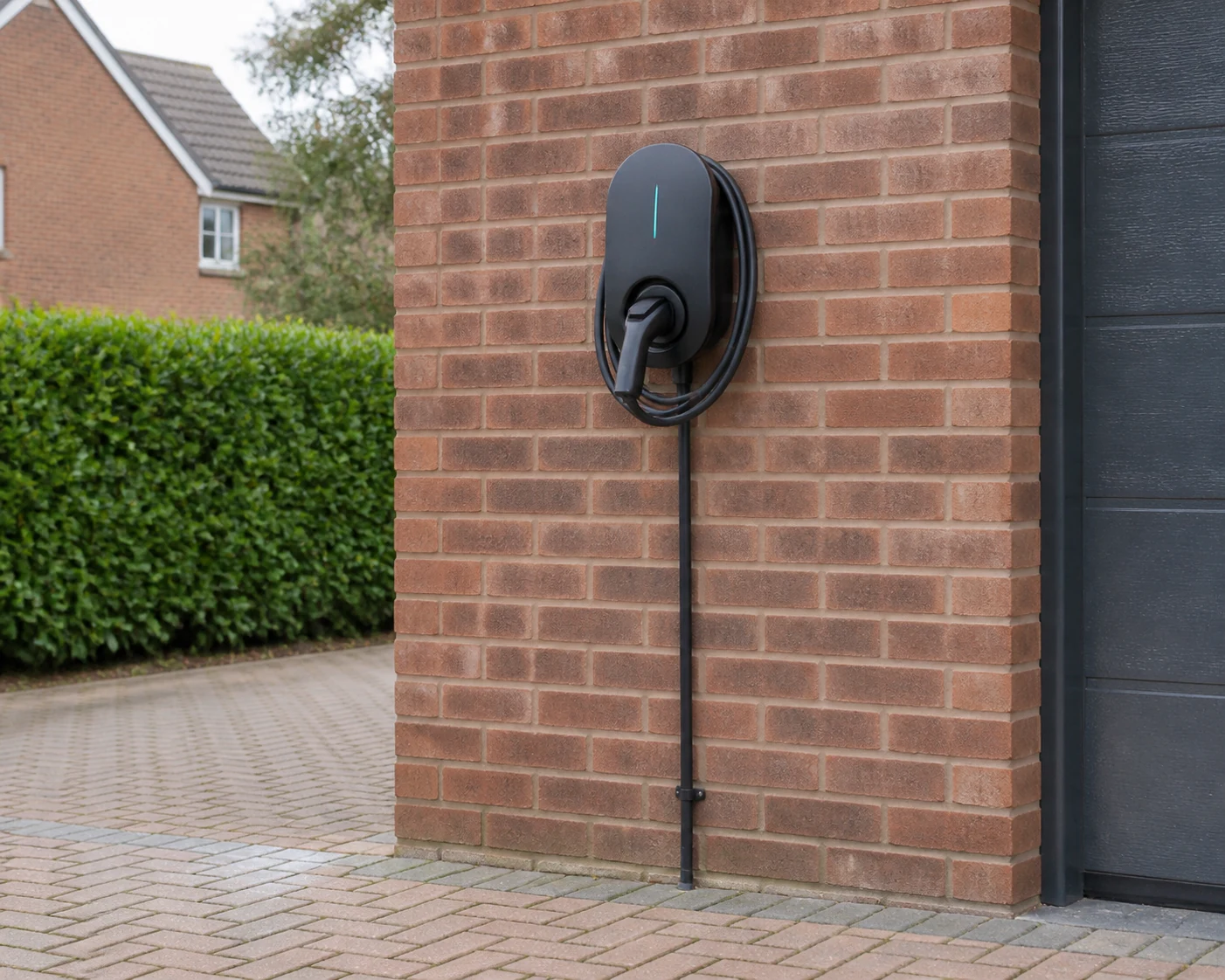
The route from the consumer unit to the charger matters almost as much as the charger itself. A neat, well planned cable route helps protect the circuit, keeps the installation tidy and reduces disruption.
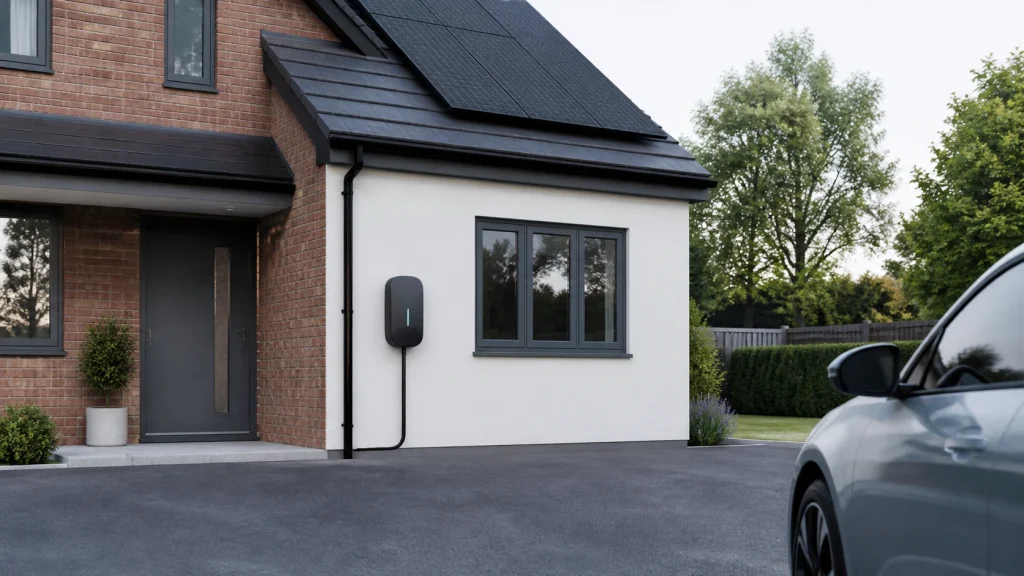
The installer will look at where the vehicle is usually parked, where the charger can be mounted securely, how the cable can reach the consumer unit, and whether the route passes through internal walls, loft spaces, garages, external walls or service areas. They will also consider cable length, mechanical protection, outdoor exposure and how the installation can be accessed for future maintenance.
Longer or more complex routes can still be perfectly workable, but they need the right cable size and installation method. Cables may need to be clipped, enclosed, protected against damage, or routed to avoid heat sources and vulnerable areas. Where the cable passes outside, suitable materials and weather resistant fittings are important.
Good planning also makes daily use easier. The charger should be positioned so the charging lead reaches comfortably without creating a trip risk or forcing the cable across awkward spaces. It should also be accessible for the user, while still being installed in a suitable electrical position.
This is one reason a proper survey is useful. Photos and basic details can help at the early stage, but a qualified installer will still think through the practical route, not just the electrical calculation.
Earthing, bonding and protective devices
EV charging has particular safety considerations because the equipment is often outdoors and connected to a vehicle. The installer will check the earthing arrangement and bonding to make sure the installation can be protected correctly.
Earthing provides a path for fault current, while protective devices disconnect the supply when something is wrong. Bonding helps keep exposed metalwork at a similar electrical potential. These are not cosmetic details. They are core safety features.
Different properties can have different earthing arrangements, and EV chargers may require specific protection depending on the system. Some chargers include built in safety features, while others rely on external devices. The installer will check what is needed rather than assuming one standard setup fits every home.
They may also inspect water and gas bonding, meter tails, isolators and the general condition of visible wiring. If there are signs that the installation has been altered over time, or if documentation is limited, further testing may be recommended.
For homeowners, the important point is simple. These checks are normal and positive. They help confirm that the charger is being added to a sound electrical system, with the right protection in place before regular charging begins.
When other upgrades make sense
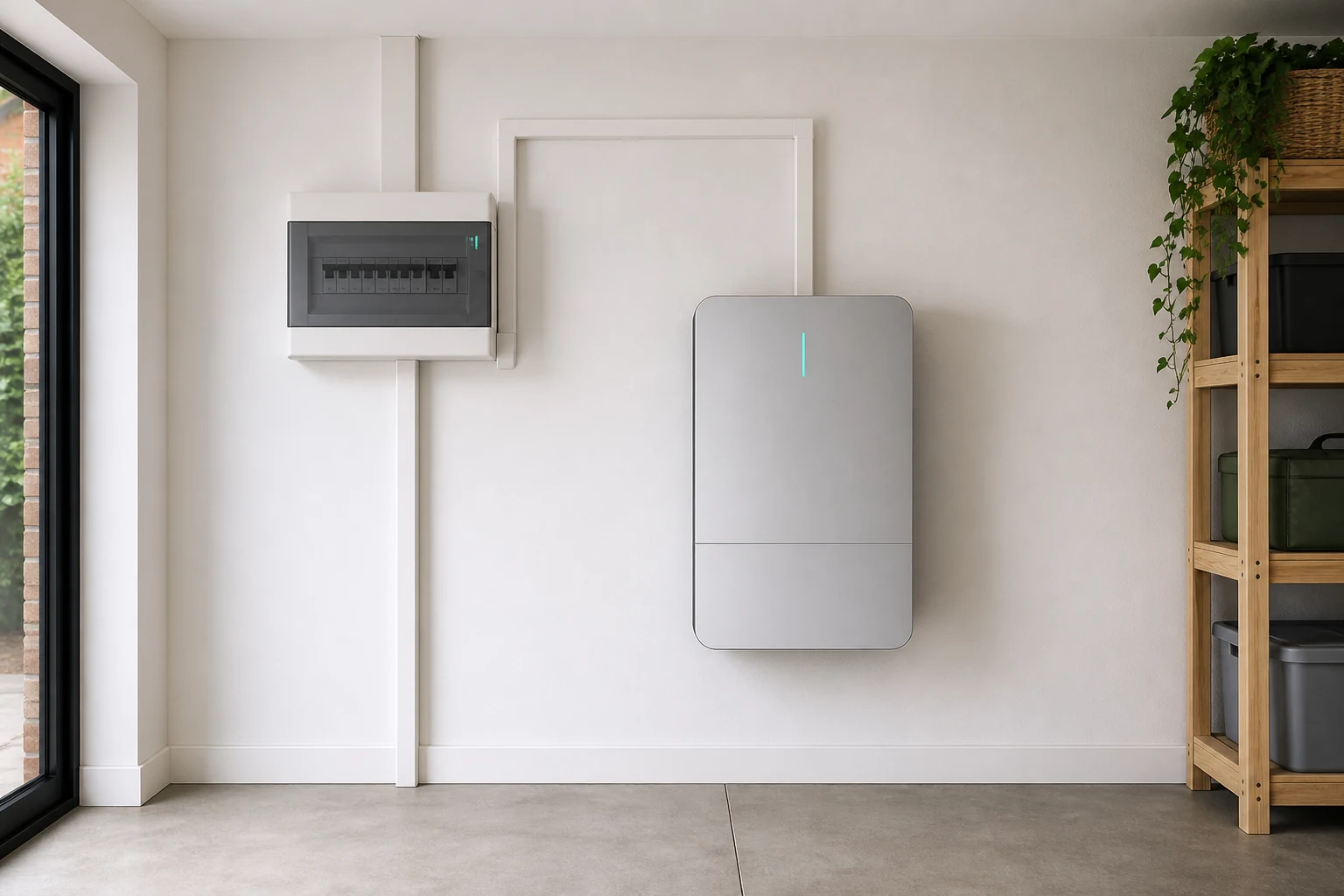
Sometimes the assessment shows that the home is ready for an EV charger with only a dedicated new circuit. Sometimes it reveals that supporting work would improve safety, reliability or future flexibility.
Possible upgrades might include adding suitable protective devices, improving labelling, replacing damaged accessories, installing a separate charger unit, improving bonding, or upgrading an older consumer unit. The recommendation should be based on the actual installation, not a blanket assumption.
It is also worth thinking ahead. If you are likely to add solar panels, battery storage, a second EV, or other electrical upgrades later, the installer can consider how today’s charger installation fits with future plans. A little joined up thinking can make the electrical setup easier to manage over time.
For example, homeowners considering solar installation or battery storage may want an electrical design that keeps future energy use in mind. That does not mean everything has to happen at once. It simply means the charger circuit should not be planned in a narrow way if wider improvements are likely.
A good installer will explain what is essential, what is optional, and what can sensibly wait. That clarity helps you make informed decisions without feeling buried in technical language.
- A home EV charger needs a dedicated electrical assessment, not just a suitable parking space.
- The consumer unit, supply capacity, earthing, bonding and protective devices all need to be checked.
- Load management can help balance EV charging with normal household electricity use.
- Cable route planning affects safety, reliability, appearance and day to day convenience.
- Future plans such as solar panels or battery storage are worth discussing before the charger is installed.
Frequently asked questions
Can any home have an EV charger installed?
Many homes can support an EV charger, but the existing electrical installation needs to be assessed first. A qualified installer will check the consumer unit, supply capacity, earthing, bonding and cable route before confirming the best installation method.
Will I need a new consumer unit for an EV charger?
Not always. Some properties have suitable space and protection already available, while others may need additional equipment or an upgrade. The recommendation depends on the condition, layout and capacity of the existing installation.
What is load management for EV charging?
Load management allows the charger to adjust its power use when the rest of the home is drawing more electricity. It helps keep charging reliable while reducing the risk of overloading the property supply.
Should I arrange electrical checks before choosing a charger?
Yes, it is sensible to have the electrical setup reviewed before settling on the final charger position and specification. The assessment helps confirm what the home can support and whether any enabling work is needed.
Plan your charger with confidence
If you are thinking about home EV charging, SLC Solutions can assess your electrics, explain the options clearly and install a charger that suits your home and daily use.