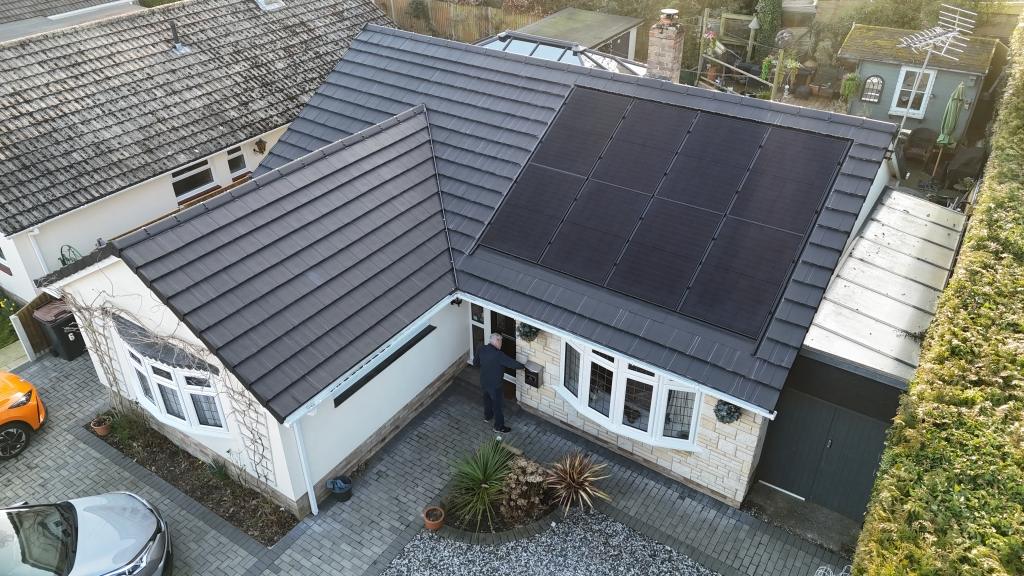
Solar panels have become a more familiar sight across the UK in recent years, appearing on everything from new build estates to older terraced homes.
With energy prices fluctuating and more people seeking long-term savings, it’s not surprising that solar is often viewed as a sensible investment rather than a short-term upgrade.
That said, one question tends to come up quite early on: how long do solar panels actually last? It’s a fair concern.
While the idea of generating your own electricity is appealing, most homeowners want to feel confident that the system will continue performing for decades, not just a handful of years.
The Typical Lifespan of Solar Panels
In most cases, solar panels are designed to last somewhere between 25 and 30 years. That figure is often used as a benchmark across the industry, and many manufacturers offer performance warranties that align with that timeframe.
It gives a useful point of reference, though it doesn’t mean the panels will suddenly stop working once they reach that age.
In reality, solar panels tend to keep generating electricity beyond 25 or even 30 years, just at a slightly reduced level.
Rather than failing outright, they gradually lose efficiency over time. So while output may not be quite as strong as it was in the early years, the system can remain useful well into the future.
What Affects the Lifespan of Solar Panels?
Several factors can influence how long a solar panel system lasts and how well it performs over time.
The quality of the panels themselves plays a part, as higher grade materials are generally more durable and better able to withstand wear.
Installation is just as important, as poor workmanship can lead to issues that affect performance much earlier than expected.
Environmental conditions also come into play. In the UK, panels are exposed to rain, wind, and the occasional frost or snow, all of which can have a gradual impact.
Roof positioning and angle can affect how much strain the system experiences, while regular maintenance, or lack of it, may also shape how long the panels continue to operate effectively.
Do Solar Panels Degrade Over Time?
Solar panels do not maintain their original performance indefinitely. Instead, they experience a slow and steady reduction in efficiency, often referred to as the degradation rate.
On average, this tends to fall somewhere between 0.3% and 0.8% per year, depending on the panel quality and conditions.
Over time, this means that after 10 years, a system may still be producing close to its original output, while after 20 or 25 years, the difference becomes more noticeable.
Even so, many panels are still capable of producing around 80% or more of their initial capacity after a couple of decades, which is often considered acceptable for long term use.
Lifespan of Other Key Components
While the panels themselves are built for longevity, other parts of the system may need attention sooner.
The inverter, for example, is a key component that converts solar energy into usable electricity, and it typically has a shorter lifespan of around 10 to 15 years.
Battery storage systems, if included, also have their own lifespan to consider, often depending on usage and technology.
Mounting systems and wiring can last a long time, though they may still require occasional checks. Replacing or upgrading these components when needed can help keep the overall system running smoothly for longer.
Signs Your Solar Panels May Need Attention
There are a few signs that may suggest your solar panels are not performing as they should.
A noticeable drop in energy generation is often one of the first indicators, particularly if it cannot be explained by seasonal changes or weather conditions.
You might also come across warning messages from the inverter, or spot visible issues such as cracks, dirt build-up, or discolouration on the panels.
In some cases, rising electricity bills without a clear reason may point towards reduced solar output, suggesting it could be worth having the system checked.
Can Solar Panels Last Longer Than 30 Years?
Although 25 to 30 years is often quoted as the expected lifespan, many solar panels continue working beyond that point.
It’s not unusual for systems to keep producing electricity for several more years, even if efficiency has dipped slightly compared to when they were first installed.
In favourable conditions, and with proper care, panels may continue to generate usable energy well past their warranty period.
While output may not be as high as before, the continued savings and energy production can still make a difference, particularly for households looking to maximise their investment.
How to Extend the Life of Your Solar Panels
Keeping solar panels in good condition doesn’t usually require a huge amount of effort, but a little attention can go a long way.
Occasional inspections can help identify small issues before they develop into larger problems, especially if carried out by a qualified professional.
Simple steps, such as keeping panels clean and free from debris, can also support performance.
Monitoring your system’s output allows you to spot any unexpected changes early on, while ensuring that any repairs or adjustments are handled correctly can help maintain efficiency over time.
Are Solar Panels Still Worth It Long Term?
Even with a gradual efficiency loss, solar panels can still offer solid long term value.
The ability to generate your own electricity may help reduce reliance on the grid, and over time, the savings can add up, particularly as energy costs continue to shift.
There’s also the added benefit of reducing your environmental impact, which for many households is part of the appeal.
While no system is entirely maintenance free, the balance between lifespan, performance, and savings often makes solar a worthwhile consideration for the long run.

Conclusion
Solar panels are not a short term solution; they are built with longevity in mind. While the commonly quoted lifespan of 25 to 30 years provides a useful guideline, it’s clear that many systems continue working beyond that, even if at a slightly reduced level.
With the right installation, a bit of ongoing care, and realistic expectations around performance, solar panels can remain a reliable source of energy for decades.
For most homeowners, that long-term consistency is a large part of what invests feel worthwhile.