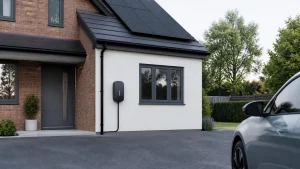

If you already have solar panels, you may have noticed the same pattern many homeowners see. Your system produces useful electricity during the day, but some of that power is exported because you are not always using it at the exact moment it is generated.
Adding battery storage can help you keep more of that solar energy for later. In many cases, you do not need to replace the whole solar panel system. The right battery can be designed around the equipment you already have, your electricity use and the way you want your home to work.
Can you add a battery to an existing solar panel system?
Yes, battery storage can often be added to an existing solar panel system. This is known as a retrofit battery installation. Instead of starting again with new panels, an installer assesses your current solar setup and designs a battery system that can store surplus electricity for use later in the day.
The main aim is simple. When your panels generate more electricity than your home is using, the extra energy can charge the battery. When your solar generation drops, such as in the evening, the battery can discharge and help power your home. This can reduce the amount of electricity you import from the grid.
A retrofit is especially useful if your lifestyle has changed since your panels were installed. You may now work away from home during daylight hours, have higher evening electricity use, charge an electric vehicle, use more electrical appliances or simply want better control over the energy your panels already produce.
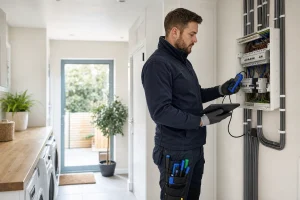
The existing system still needs to be checked properly. An installer will look at your inverter, solar generation, consumer unit, metering, available space, earthing and cable routes. The battery also needs to be compatible with the way your solar system connects into your home. A good design protects the performance of your existing panels while making the battery useful from day one.
If you want a professional assessment of what would suit your property, SLC Solutions explains its battery storage options for homeowners who want to make better use of their solar electricity.
Why AC coupled batteries are common for retrofits
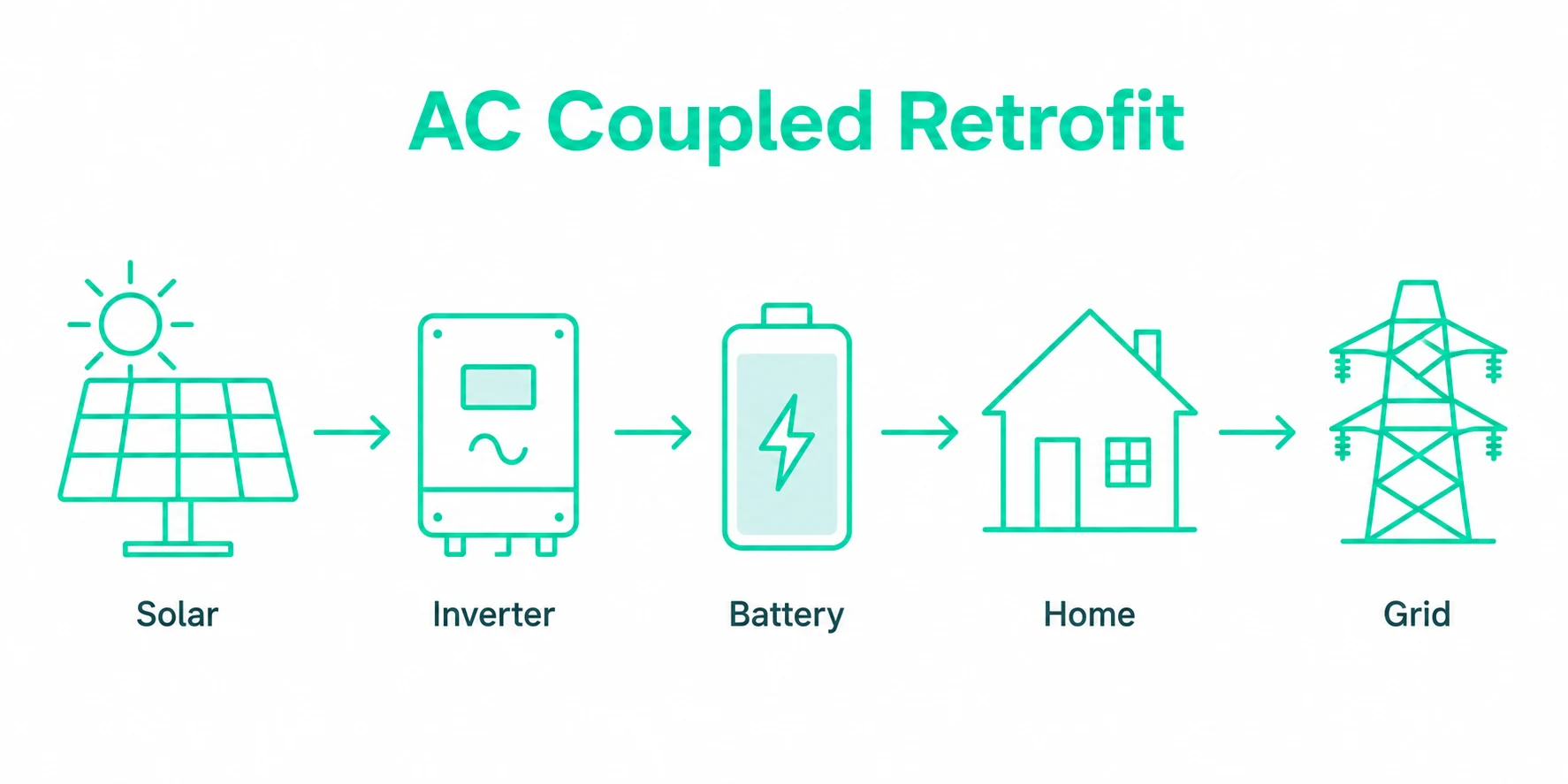
Most existing solar panel systems already have a solar inverter. The panels produce direct current electricity, often called DC electricity, and the inverter changes it into alternating current electricity, known as AC electricity, so it can be used by your home.
With an AC coupled battery, the battery has its own inverter or battery inverter arrangement. This means it connects on the AC side of the system, after the solar electricity has already been converted for home use. For many retrofit projects, this is a practical route because the existing solar inverter can often stay in place.
That matters because not every older solar inverter is designed to have a battery connected directly to it. Replacing the existing inverter may still be the best option in some cases, especially if the inverter is nearing the end of its useful life, if monitoring is poor or if the homeowner wants a more integrated setup. But AC coupled storage gives installers a flexible way to add battery capacity without redesigning the whole solar array.
DC coupled and hybrid systems can also be excellent, particularly when battery storage is being installed at the same time as new panels. The right choice depends on the age of the solar system, the type of inverter already installed, the available electrical capacity and what the homeowner wants from the battery.
For a deeper technical comparison, SLC Solutions has a separate guide to AC coupled and DC coupled battery storage, which is useful if you want to understand the two approaches before speaking to an installer.
What an installer needs to check first
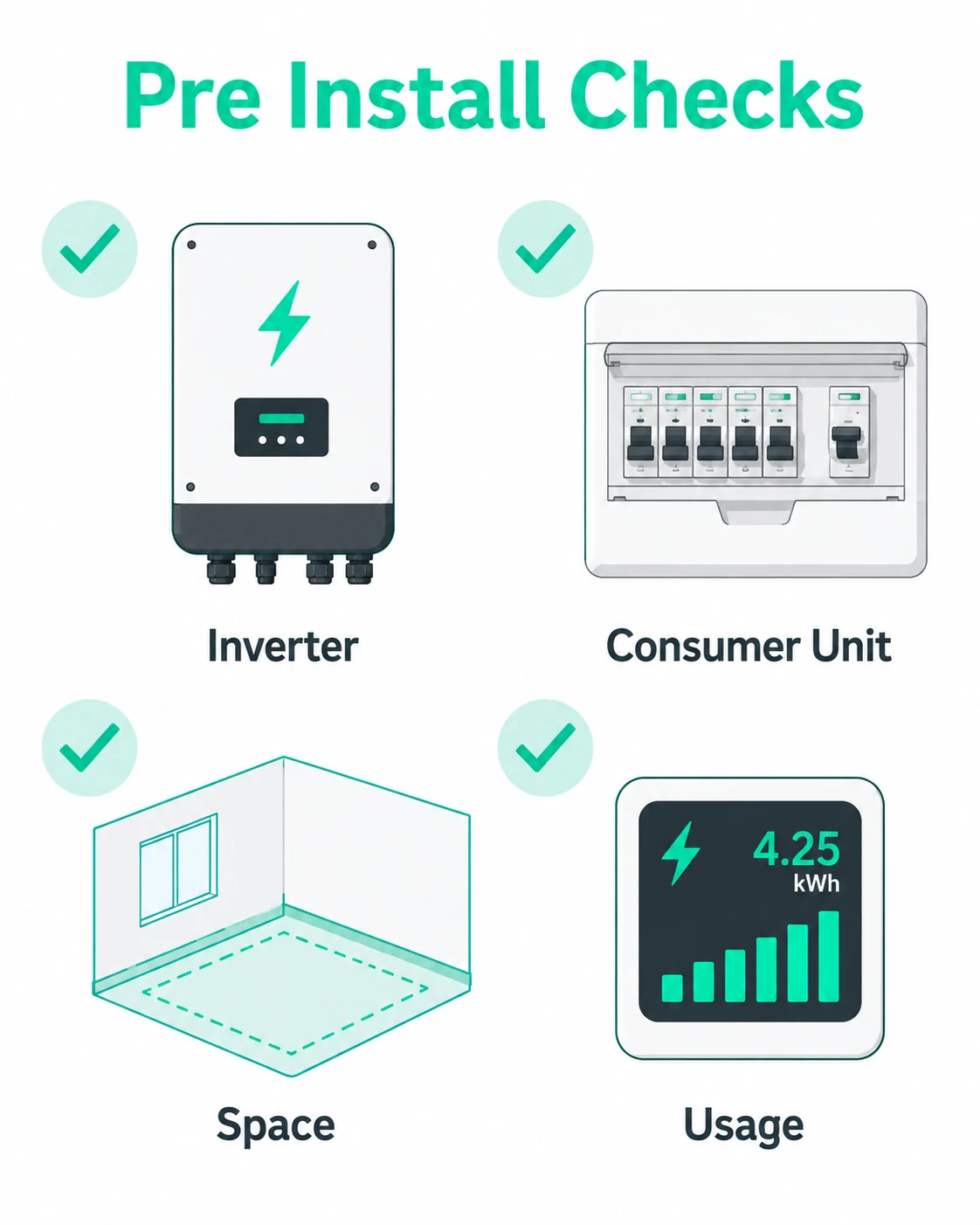
A battery retrofit should start with a proper survey, not a guess. Even when the panels are working well, the rest of the system needs to be reviewed so the battery can charge, discharge and communicate correctly.
The installer will usually want to understand how much electricity your panels generate, how much is used in the home and how much is exported. If you have monitoring data, bills or inverter records, these can help build a clearer picture. The battery should be sized around real use, rather than simply choosing the largest unit available.
Key checks often include:
- The make, model and condition of the existing solar inverter.
- The solar array size and typical generation pattern.
- The consumer unit, protective devices and spare capacity.
- The location for the battery and its access for installation and maintenance.
- Metering, monitoring and export arrangements.
- Any plans for future electrical use, such as an EV charger or heat pump.
The installer may also need to consider grid notification or permission requirements. This depends on the system size, inverter capacity and how the battery will operate. A qualified installer can handle the process and explain what applies to your system.
This is also the stage where backup power expectations should be discussed. A standard battery installation does not automatically mean the whole home will stay powered during an outage. Backup capability usually needs specific equipment and a carefully selected circuit arrangement. If this is important to you, it should be part of the design conversation from the start. SLC Solutions covers related points in its guide to what solar panels do during a power cut.
How big should the battery be?
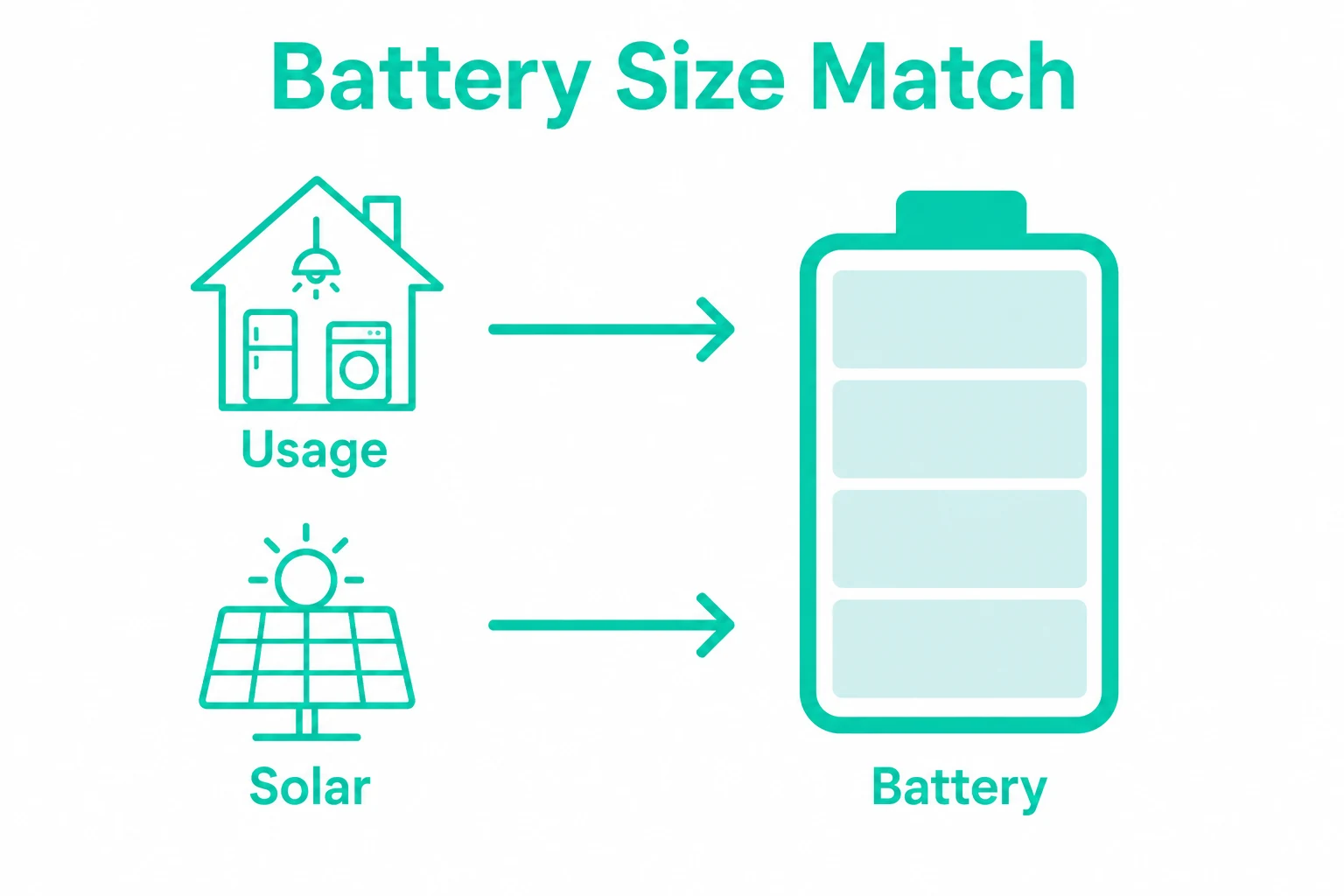
The best battery size is not always the biggest one. A well matched battery stores the amount of surplus electricity you can realistically generate and then use. If the battery is too small, you may still export useful solar energy. If it is much larger than needed, it may not cycle enough to make full use of its capacity.
A good starting point is your daily electricity pattern. If your home uses little power in the day but more in the evening, a battery can shift solar energy into the period when you need it most. If you use plenty of electricity during daylight hours already, you may still benefit from storage, but the ideal size could be different.
Your solar generation also matters. A larger solar array may regularly produce enough surplus to fill a battery. A smaller array may still pair well with storage, but the battery capacity should be realistic for the amount of spare energy available across the year.
Some homeowners also use a battery alongside a suitable electricity tariff. In that setup, the battery may store cheaper grid electricity as well as surplus solar energy. This can be useful, but it needs careful setup so the system works in a way that supports your goals rather than simply moving electricity around without purpose.
Future plans are worth including too. If you may add an EV charger, change heating systems or increase daytime electrical use, the battery choice should allow for that where sensible. For more practical detail, SLC Solutions has a helpful article on choosing the right solar battery size.
Will you need to replace your existing solar panels or inverter?
In many retrofit projects, the existing solar panels can remain in place. Solar panels are generally treated as a separate part of the system, and if they are performing properly, there is often no reason to replace them just to add storage.
The inverter is a more important question. If your existing solar inverter is compatible with the proposed battery design and is in good condition, an AC coupled battery may allow it to stay. If the inverter is older, unsupported or not well suited to your aims, replacement may be recommended as part of a wider upgrade.
That recommendation should be based on evidence. An installer should explain whether the current inverter can remain, whether a separate battery inverter is required, whether a hybrid inverter would be better or whether there are any limitations in monitoring, warranties or export control.
It is also worth checking how your current solar system was installed and documented. Certificates, manuals, inverter details and handover information can all help. If paperwork is missing, an experienced installer can still inspect the system, but the more information you can provide, the easier it is to design neatly around what is already there.
A battery retrofit is not only about adding a box to the wall. It is about creating a managed energy system that understands solar generation, household demand, grid import and export. Done properly, it should feel like a natural upgrade to the panels you already own.
What are the main benefits of adding storage later?
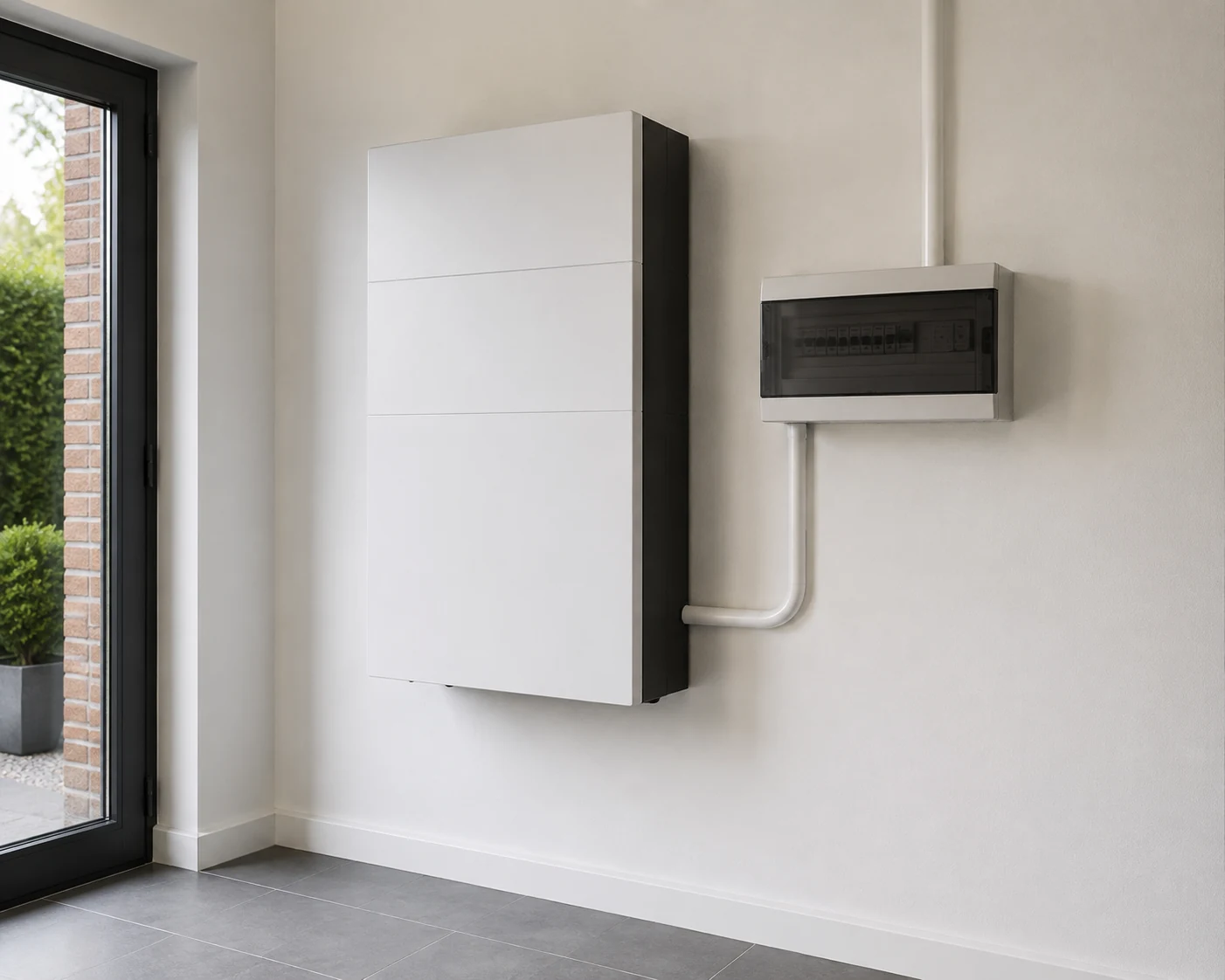
The biggest benefit is using more of the electricity your panels already generate. Without a battery, surplus solar power is usually exported when your home cannot use it immediately. With a battery, more of that energy can be stored and used when your panels are producing less.
This can make your solar system feel more useful in everyday life. Evening cooking, laundry, entertainment, lighting, home office equipment and general household demand can all draw from stored solar energy when conditions are right. The exact impact depends on your usage, tariff and system design, but the principle is straightforward: storage gives you more choice over when your solar electricity is used.
Battery storage can also improve visibility. Modern systems usually include monitoring, so you can see when the battery is charging, when it is discharging and how much energy is being imported or exported. That feedback often helps homeowners make smarter decisions about appliance timing and energy habits.
There is also a future readiness benefit. Homes are becoming more electrical, with EV charging, smart controls and other technologies becoming more common. A battery can form part of a wider home energy setup, especially when it is designed with future capacity and compatibility in mind.
The best results come from a balanced specification. That means the battery, inverter, monitoring, electrical protection and settings all need to work together. A clear design and tidy installation are just as important as the battery brand or capacity.
- Battery storage can often be added to existing solar panels without replacing the whole system.
- AC coupled batteries are commonly used for retrofit projects because they can work alongside many existing solar inverters.
- The right battery size depends on your solar surplus, daily electricity use, tariff and future plans.
- Backup power is possible with some systems, but it needs to be designed in from the start.
- A proper survey is essential before choosing equipment or confirming compatibility.
Frequently asked questions
Can I add a battery if my solar panels were installed years ago?
In many cases, yes. The panels, inverter, consumer unit and system paperwork should be checked first, but older solar systems can often be paired with a suitable retrofit battery.
Will a battery store all the electricity my panels generate?
Not always. The battery will store surplus electricity when there is spare capacity and enough solar generation. Once full, any further surplus may still be exported unless your system is set up differently.
Is AC coupled battery storage better for existing solar panels?
It is often a strong option for existing systems because it can usually work alongside the current solar inverter. However, the best choice depends on your equipment, usage and what you want the system to do.
Do I need a solar battery if I am already paid for exported electricity?
It depends on your tariff and how much power you use at home. Export payments can still be useful, but storing electricity may help you use more of your own generation when grid electricity would otherwise be needed.
Ready to make more of your solar panels?
If your panels are already generating clean electricity, SLC Solutions can help you explore whether battery storage is a sensible next step for your home.