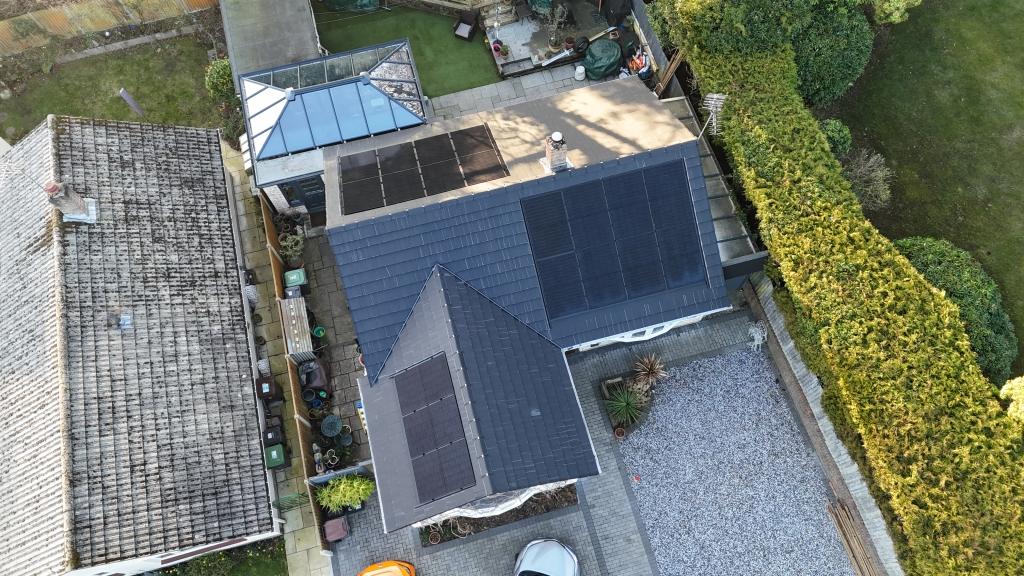
For many homeowners, solar panels tend to be viewed as a sensible long-term investment rather than something that delivers instant savings.
The idea of generating your own electricity is appealing, especially with energy prices continuing to feel unpredictable, but it often raises a more practical question. How long will it actually take before the system has paid for itself?
It’s a fair concern, and one that doesn’t always come with a straightforward answer. Payback time can vary quite a bit depending on how the system is set up and how the household uses energy day to day.
Still, some realistic expectations can help you get a clearer picture of what to expect.
What Does “Paying for Themselves” Actually Mean?
When people talk about solar panels “paying for themselves”, they are usually referring to the point where the savings made on electricity bills match the initial cost of the installation.
In simple terms, it’s the break-even moment where what you’ve saved equals what you’ve spent.
That said, it’s not just about cutting your electricity bill. Some households also receive payments for exporting unused electricity back to the grid.
When you combine those savings with any export income, the overall return can start to build up steadily over time.
Average Payback Time for Solar Panels in the UK
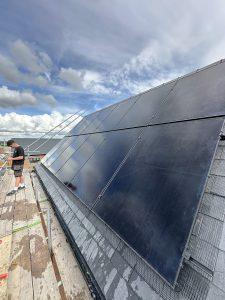
In the UK, a typical solar panel system often pays for itself somewhere between 6 and 10 years.
This range appears to be a reasonable benchmark for many homes, although it is not a fixed rule. Some systems may reach that point sooner, while others take a little longer depending on various factors.
One thing that has likely influenced shorter payback periods in recent years is the rise in electricity prices.
As grid energy becomes more expensive, the value of the electricity you generate yourself increases. That shift alone can make a noticeable difference to how quickly the system starts to cover its cost.
Factors That Affect Payback Time
System Cost
The upfront cost of installing solar panels can vary depending on the size of the system, the type of equipment used, and the complexity of the installation.
A larger system will usually generate more electricity, but it also comes with a higher initial investment, which can stretch the payback period slightly.
On the other hand, opting for a well-balanced system that suits your property rather than going oversized may lead to more efficient returns. It’s not always about spending more, but about matching the system to your actual energy needs.
Energy Usage
How and when you use electricity in your home plays a big role in how quickly you see savings.
Households that use more power during the day, when solar panels are generating electricity, tend to benefit more directly.
If most of your energy use happens in the evening, you may rely more on the grid, which can slow down the payback period.
Small changes in habits, such as running appliances during daylight hours, can make a noticeable difference over time.
Electricity Prices
Electricity prices are one of the biggest influences on solar savings. As prices increase, the money you save by generating your own power also rises.
This can help shorten the time it takes for your system to break even.
Of course, future energy prices are not guaranteed, and they can fluctuate.
Still, many people see solar as a way of gaining some level of protection against rising costs, which adds to its long-term appeal.
Solar Panel Efficiency and Output
Not all solar panel systems perform the same. Factors such as roof orientation, shading from nearby buildings or trees, and the quality of the panels themselves all affect how much electricity is generated.
A well-positioned system on a south-facing roof with minimal shading is likely to produce more energy, which can help speed up the payback period.
Even small differences in output can add up over several years.
Battery Storage (If Applicable)
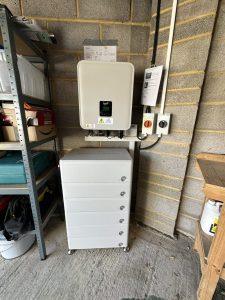
Adding a battery to your solar system allows you to store excess electricity generated during the day and use it later in the evening.
This can increase how much of your own energy you actually use, rather than exporting it.
However, batteries do come with an additional upfront cost.
While they can improve overall savings, they may extend the initial payback period slightly before delivering stronger long-term benefits.
Export Tariffs and Incentives
In the UK, schemes such as the Smart Export Guarantee allow homeowners to earn money by exporting unused electricity back to the grid.
While the payments are not usually large, they can still contribute to overall savings.
The exact rates can vary depending on the energy supplier, so the impact on payback time may differ from one household to another.
Even so, it provides an additional stream of return that can help improve the overall value of the system.
Example Payback Scenarios
For a typical UK home, a solar panel system might cost somewhere in the region of £5,000 to £7,000.
If that system saves around £700 to £1,000 per year on electricity, the payback period could fall within that 6 to 10 year range.
If the household uses more of its electricity during the day or includes battery storage, those savings may increase slightly.
On the other hand, lower daytime usage or a less efficient setup could stretch the timeline, which is why estimates can vary.
Ways to Reduce Your Payback Time
There are a few practical ways to help shorten the payback period.
Using appliances such as washing machines or dishwashers during the day can increase the amount of solar energy you use directly, reducing your reliance on the grid.
It also helps to ensure the system is properly designed from the start.
A well-installed system that is suited to your property is more likely to perform efficiently. Regular checks and basic maintenance can also prevent small issues from affecting performance over time.
Is Solar Still Worth It After Payback?
Once your solar panels have paid for themselves, the electricity they generate is effectively free. From that point onwards, the system continues to reduce your energy bills year after year.
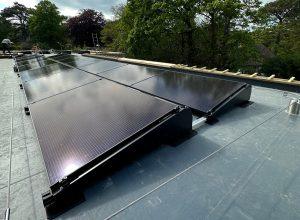
Most solar panels are designed to last 20 to 25 years or more, so there is often a long period where you continue to benefit financially.
Beyond the savings, there is also the added benefit of reducing your reliance on the grid and lowering your carbon footprint.
Conclusion
The time it takes for solar panels to pay for themselves can vary depending on several factors, including system cost, energy usage, and electricity prices.
While there is no one-size-fits-all answer, many households in the UK tend to see payback within a reasonable timeframe.
Rather than focusing solely on the initial return, it may be more useful to look at the bigger picture. Solar panels can offer ongoing savings, greater energy independence, and long-term value.
For a more accurate estimate, it is always worth getting a tailored quote based on your specific property and energy use.