Solar panels are fairly low maintenance, but they are not completely “set and forget”. A little routine care helps you keep generation steady, spot problems early, and protect the return on your investment. In the UK, most performance dips come down to simple issues like shading changes, debris, or an inverter that is not behaving as it should.
This guide covers the practical basics: safe cleaning, what to look for in your monitoring app, and a simple maintenance schedule you can follow all year round. If you ever notice your output suddenly dropping, we also recommend reading our related guide: Is Your Solar System Underperforming?
Start with safety
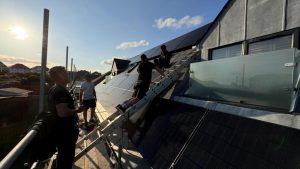
Most solar “maintenance” does not require you to get on the roof or open electrical equipment. In fact, those are the two areas most likely to cause injury or damage. If access is awkward or you are unsure, it is always safer (and usually quicker) to use a qualified professional.
- Avoid roof access unless you have safe equipment and experience. Falls are the biggest risk with domestic solar.
- Do not open inverter covers or tamper with DC cabling and isolators. Solar DC can be dangerous even when the system appears “off”.
- Do not pressure wash panels. High pressure can damage seals, frames, cabling, and the roof around the array.
- Do not use harsh chemicals or abrasive pads. These can scratch glass and degrade protective coatings.
If you see damaged cables, cracked panels, scorching marks, water ingress, or repeated inverter faults, stop and get it checked. That is not the time for trial and error.
Your solar maintenance schedule
 You do not need a complicated plan. The goal is consistency: a quick check each month, seasonal common sense, and the occasional professional health check to keep everything safe and performing as it should.
Monthly
- Check your monitoring app for obvious drops compared with the last few weeks.
- Look for alerts (inverter warnings, comms errors, optimiser issues, battery notifications).
- Do a ground level visual check: bird mess, heavy debris, new shading, slipped tiles, or anything that looks out of place.
Twice a year (spring and autumn)
- Spring: clear debris, review performance after winter, and check whether shading has changed (tree growth can creep up on you).
- Autumn: clear leaves and overhanging build up, and make sure the array is ready for lower light months.
Annual or biennial professional check
A professional inspection is not just about performance. It is also about electrical safety and the condition of roof fixings and cabling. A thorough check typically includes:
- Electrical testing and connection checks
- Inverter and isolator inspection
- Roof mounting and flashing inspection (signs of movement or water ingress)
- Review of monitoring data and performance trends
Cleaning solar panels
Do you actually need to clean them?
UK rain does a decent job for many homes, especially if panels are on a reasonable pitch and not near heavy tree cover. But some properties do see noticeable build up from pollen, bird droppings, salt air (coastal areas), and general grime. If your panels look visibly dirty from the ground, it is worth considering a safe clean.
Cleaning is most likely to help when you have:
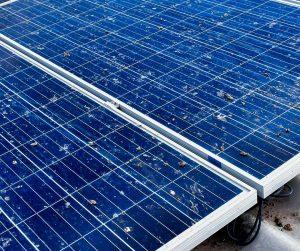
- Persistent bird mess on one section of the array
- Pollen and dust build up in spring and early summer
- Leaf debris and dirt sitting along the lower edge of panels
- A gradual performance decline that does not match the season or weather
Safe cleaning guidance
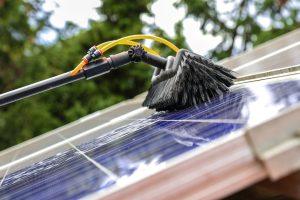
If you can reach the panels safely without roof access (for example, from a safe platform with a long reach tool), keep it gentle. The best time is early morning or later in the day when panels are cooler.
- Use: clean water and a soft brush (non abrasive) designed for panels or windows.
- Keep it light: you are rinsing and lifting dirt, not scrubbing.
- Rinse well: to avoid residue marks if your local water is hard.
Avoid pressure washers, abrasive sponges, and strong detergents. If access means ladders near a roof edge, it is usually better to book a professional clean than risk a fall or damage to the roof.
Bird proofing and roof edge debris
Bird nesting under panels can create mess and, in some cases, lead to cable disturbance. If you regularly see nesting or heavy droppings, bird protection may be worth fitting properly. Also keep an eye on roof debris around the array. Leaves and moss build up can affect drainage and roof health, even if the panels themselves still generate.
Monitoring your system
Monitoring is where most homeowners win. You do not need to analyse every day. You just need to notice patterns and pick up on changes that do not make sense.
What to track each month
- Generation trend: compare similar weather periods, not random days.
- Sudden drops: a sharp “step down” that stays down is a red flag.
- Regular peaks: you should still see a sensible curve on bright days.
- If you have a battery: check charge and discharge behaviour is consistent with your normal routine.
What “normal” variation looks like
Solar output naturally swings with weather and season. A cloudy week can look disappointing, and a crisp bright day can surprise you. What is not normal is a consistent drop that continues through bright spells, or a system that suddenly produces far less than it did last month in similar conditions.
Red flags that deserve action
- Inverter warnings, repeated disconnects, or error codes
- Monitoring that flatlines (zero output) on a day that should generate
- One part of the system producing while another appears “missing”
- A battery that stops charging or discharging in the way it used to
Common issues that reduce performance
Most performance problems are not mysterious. They usually fall into a handful of categories, and many can be spotted early with simple checks.
Shading changes over time
Trees grow, neighbours build extensions, and even seasonal sun angles can create longer shadows. Winter sun sits lower, so shading can be more noticeable. From the ground, look for new obstructions and compare your generation curve year on year if you have the data.
Inverter behaviour
Inverters work hard, and they are one of the most common components to develop faults over time. Ensure the inverter has good airflow and is not boxed in by stored items. If you see repeated warnings or the unit is regularly dropping out, get it tested by a qualified electrician.
Loose connections and weathering
Vibration, thermal expansion, and exposure to weather can affect connections and cabling over the years. That is why professional inspections matter, particularly if you have had storms, roof work, or scaffolding near the array.
Looking after battery storage
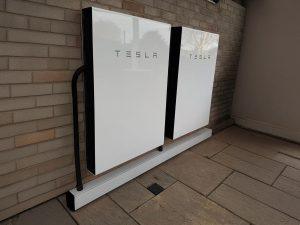 If you have battery storage, good care is mostly about keeping the installation environment sensible and paying attention to behaviour in the app. Batteries should be installed in a suitable location with ventilation and clear access for servicing.
- Keep the area clear: do not block vents or cover the unit.
- Watch for unusual behaviour: unexpected charge patterns, frequent alerts, or sudden capacity changes.
- Keep software current: where applicable, firmware updates can improve stability and performance.
If you are considering adding storage or want advice on improving self use, see: Battery Storage
Getting more value from your solar
For many homes, the biggest performance “upgrade” is not hardware. It is how you use the energy you generate. The more you use during daylight hours, the less you buy from the grid.
- Shift flexible loads: run washing machines, dishwashers, and other appliances during the brighter window when possible.
- Use timers: set appliances to run late morning to mid afternoon rather than early morning or evening.
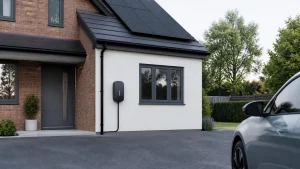
- If you have an EV: smart charging can help you align charging with solar generation.
If you want help choosing or fitting a charger that suits your setup, see: EV Charger Installation
When to book a professional solar service
Some checks are fine for homeowners. Others are firmly in “call a professional” territory. The moment a safety question appears, it is time to stop and get it inspected properly.
You should call someone if:
- Your output stays low through bright weather
- You see repeated inverter warnings or frequent dropouts
- You suspect water ingress, damaged cables, loose mounting, or cracked panels
- You have had roof works and want a system health check afterwards
What a proper visit should include
- A clear scope (inspection, testing, and a simple explanation of findings)
- Advice on what is urgent vs what can wait
- Any relevant documentation and certification where applicable
For electrical fault finding, inspections, and general maintenance support, you can also view: Other Electrical Services
Quick FAQs
How often should solar panels be cleaned in the UK?
Many systems do well with a light clean once a year or every couple of years, but it depends on your location (trees, birds, coastal air) and how quickly grime builds up. If panels look visibly dirty or bird mess is persistent, cleaning can be worthwhile sooner.
Does rain clean solar panels properly?
Rain helps, but it does not always remove sticky residues like pollen, traffic film, or bird droppings. If you have regular build up, a careful clean may improve results.
Is it safe to clean solar panels yourself?
It can be, but only if you can do it without unsafe access. If cleaning involves climbing on the roof, working near edges, or reaching awkward areas, it is safer to use a professional service.
Can bird mess reduce solar output?
Yes. Even small areas of heavy droppings can affect output, especially if they sit on the same panel section repeatedly. If it is a recurring issue, bird proofing may help.
Why does my solar output drop in winter?
Shorter days and a lower sun angle reduce generation. Cold weather itself is not usually the problem. The key is how much daylight you get and how directly the sun hits the panels.
What do inverter warning lights mean?
It depends on the model, but warnings often point to grid issues, overheating, communication faults, or internal component problems. If warnings repeat, it is worth getting it checked.
How long do inverters last?
Many inverters last around 10 to 15 years, but it varies by brand, environment, and usage. If you are seeing faults, frequent shutdowns, or performance issues, it may be time for an assessment.
Do solar panels need servicing every year?
Not always, but a periodic professional check is sensible for safety and long term performance. It is particularly useful if you have had storms, roof work, or unexplained changes in output.
Final thought: small habits, big difference
Solar care is mainly about routine: keep an eye on monitoring, deal with debris and shading, and take faults seriously when they appear. Most homeowners who do these basics get stable, predictable performance year after year.
If you want a professional health check, advice on improving self use, or help diagnosing a performance issue, get in touch with SLC Solutions. Our team can assess your system safely and recommend the most sensible next step for your home or business.